With AMP8 now well underway, the UK water sector has moved firmly from planning into delivery.
For contractors, suppliers, and infrastructure partners, the conversation has shifted. It’s no longer about what AMP8 is; it’s about how projects are being delivered in practice and where the real pressures are emerging.
So while it’s still important to understand what AMP8 is, when AMP8 started, and how the AMP8 framework works, the real focus in 2026 is what it means on the ground.
Now is the time to secure infrastructure capacity before delivery bottlenecks start impacting timelines.
Supporting AMP8 infrastructure projects? Talk to TF Jackson about modular buildings, welfare facilities and site accommodation.
What Is AMP8? (And Why It Still Matters)
AMP8 (Asset Management Period 8) is the current five-year regulatory cycle for the UK water industry, set by Ofwat.
It defines how water companies:
- Plan and deliver infrastructure upgrades
- Improve environmental performance
- Maintain and enhance existing assets
AMP8 runs from:
Unlike previous cycles, AMP8 is being shaped by a combination of:
- Stricter environmental targets
- Increased regulatory scrutiny
- Greater demand on ageing infrastructure
For a full overview, check out - What is AMP8 and how it works
When Did AMP8 Start - And Where Are We Now?
AMP8 officially began on the 1st April 2025.
But by April 2026, the sector has moved into a very different phase.
We are now seeing:
- Frameworks fully established
- Projects actively being delivered
- Supply chains under increasing pressure
- Greater scrutiny on timelines and performance
In short, AMP8 is fully operational.
Planning projects for the next 12–24 months? Speak to us.
The Scale of AMP8 Investment (And Why It's Driving Change)
AMP8 represents one of the largest infrastructure investment programmes in the UK water sector.
Industry insight:
AMP8 – a pivotal moment for the UK water industry
But what makes this different from previous AMP cycles is that it represents a step change in both scale and expectation.
Water companies are now being asked to:
- Deliver more projects simultaneously
- Improve environmental performance at a faster rate
- Maintain existing infrastructure while upgrading it
- Operate under increased regulatory scrutiny
In practical terms, this creates pressure across the supply chain:
- Capacity pressure - more work, across more locations, at the same time
- Time pressure - shorter delivery windows and tighter programmes
- Consistency pressure - solutions must perform reliably across multiple sites
The result is that AMP8 is increasing workload and changing how infrastructure must be delivered.
This is what is driving the shift towards:
- Standardisation
- Pre-fabrication
- Scalable delivery models
So now, in 2026, the key shift is that the AMP8 framework is being tested under real delivery conditions, and this is where bottlenecks become visible, processes are refined, and delivery models are proven (or challenged).
Delivering across multiple sites requires infrastructure that can scale with demand.
Discover how TF Jackson helps contractors standardise site accommodation, welfare facilities and modular infrastructure across regional and national programmes.
What This Means For Site Infrastructure In 2026
As AMP8 delivery accelerates, one area becoming increasingly critical is site infrastructure. While large assets often take the spotlight, every project depends on supporting infrastructure to function effectively.
Typical site infrastructure requirements include:
- Secure enclosures for electrical and control systems
- Kiosks and housings
- Welfare and accommodation units
- Storage and operational facilities
These are essential to:
- Site operation
- Safety
- Project delivery
The key shift in 2026:
Site infrastructure is no longer something that can be designed late, delivered reactively and treated as secondary. Instead, it is now:
- A critical path dependency
- A key factor in project timelines
- A potential point of failure if not delivered correctly
Because delays in site infrastructure can impact:
- Installation of core assets
- Commissioning timelines
- Overall project delivery
Delays in infrastructure now directly impact project timelines.
Reduce delivery risk and support programme certainty by speaking to us today.
Why Pre-Built And Modular Solutions Are Becoming Essential
As AMP8 delivery accelerates, one of the clearest shifts is how site infrastructure is being approached.
Traditional on-site construction methods are increasingly under pressure. They require multiple trades, complex coordination, and longer installation times — all of which become harder to manage when projects are being delivered at scale across multiple locations.
Under AMP8 conditions, this creates risk.
In response, there is a clear move towards:
- Pre-built and pre-fabricated solutions
- Modular infrastructure that can be deployed quickly
- Standardised designs that can be repeated across sites
These approaches help address some of the core challenges of AMP8 delivery:
- Faster installation and reduced on-site time
- Greater consistency across projects
- Improved coordination between different elements of infrastructure
- Reduced reliance on site conditions and sequencing
How TF Jackson Supports AMP8 Delivery
As AMP8 projects move into full delivery, contractors and framework partners need infrastructure suppliers that can respond quickly, deliver consistently, and support projects across multiple locations.
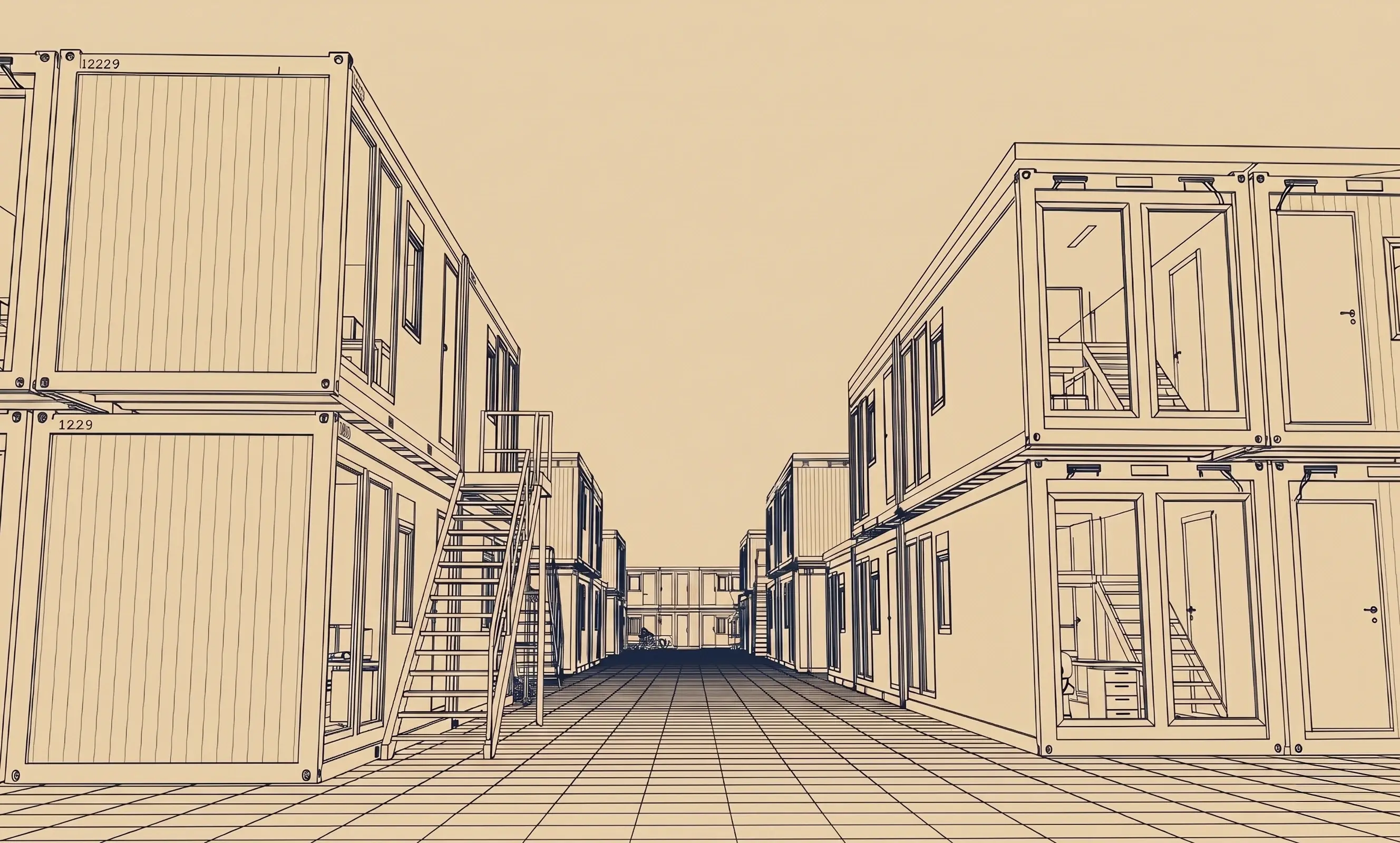
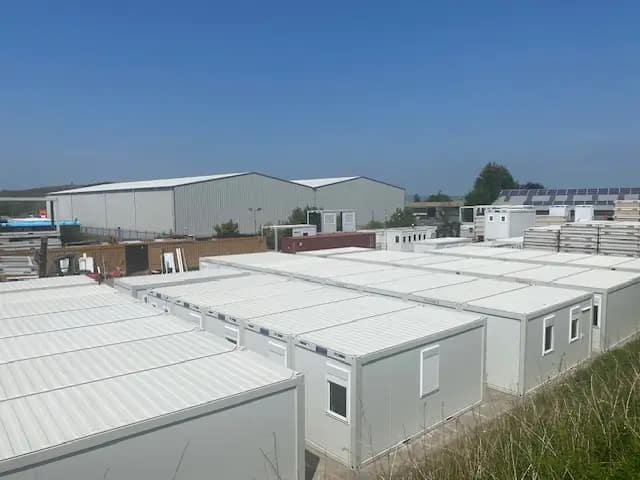
TF Jackson provides accommodation, welfare, and operational space for site teams, modular buildings offer rapid deployment and flexible configurations suited to project environments.
Whether supporting a single site or a wider AMP8 programme, TF Jackson helps reduce coordination challenges and keeps essential infrastructure on track.
Looking Ahead
As AMP8 delivery continues, the pressure on infrastructure projects will only increase. The early stages have established frameworks and begun delivery, but the coming years will test how effectively those systems perform at scale.
For site infrastructure, the expectations are clear:
- Solutions must be ready to deploy
- Designed for repeatability across multiple sites
- Capable of supporting long-term performance
Success under AMP8 will depend not just on delivering major assets, but on how effectively supporting infrastructure is delivered alongside them.
Ready To Support Your Project
If you’re involved in AMP8 delivery, or supporting infrastructure projects within the water and utilities sector:
Get in touch to discuss how Eldapoint Group can support your site infrastructure requirements.