The UK construction industry isn’t short of work in 2026. If anything, the opposite is true.
From infrastructure investment to regulated sectors like utilities, demand remains strong. But across the industry, one challenge is becoming increasingly difficult to ignore:
There simply aren’t enough people to deliver it.
The Real Issue is Delivery
Construction output is being constrained not by a lack of projects, but by a shortage of skilled labour.
Industry reports estimate a significant workforce gap, with fewer skilled trades available to support growing demand across infrastructure and construction projects. This is affecting:
- Project timelines
- Labour costs
- On-site coordination
- Overall delivery risk
At the same time, expectations haven’t changed. Projects still need to be delivered:
- On time
- On budget
- To increasingly high standards
That creates a tension, one that is forcing contractors and project teams to rethink how sites are set up and managed.
What This Means for Site Setup in Practice
Labour shortages don’t just affect core construction, they have a direct impact on how sites are established from day one.
Traditionally, site setup has relied heavily on:
- Multiple trades
- On-site assembly
- Sequential installation
But in a labour-constrained environment, this approach introduces risk.
The challenges are clear:
- Delays waiting for trades to become available
- Increased coordination complexity
- Longer mobilisation periods
- Greater exposure to programme overruns
In short, the earlier stages of a project, including site setup, are becoming a critical pressure point.
Why Faster, Simpler Site Infrastructure is Now Essential
In response, there is a growing shift towards solutions that reduce reliance on on-site labour.
Rather than building everything on-site, more projects are turning to:
- Pre-built units
- Modular buildings
- Ready-to-deploy welfare and accommodation
These approaches fundamentally change how site setup is delivered.
Instead of:
- Coordinating multiple trades
- Managing phased installation
- Building infrastructure piece by piece
Projects can now:
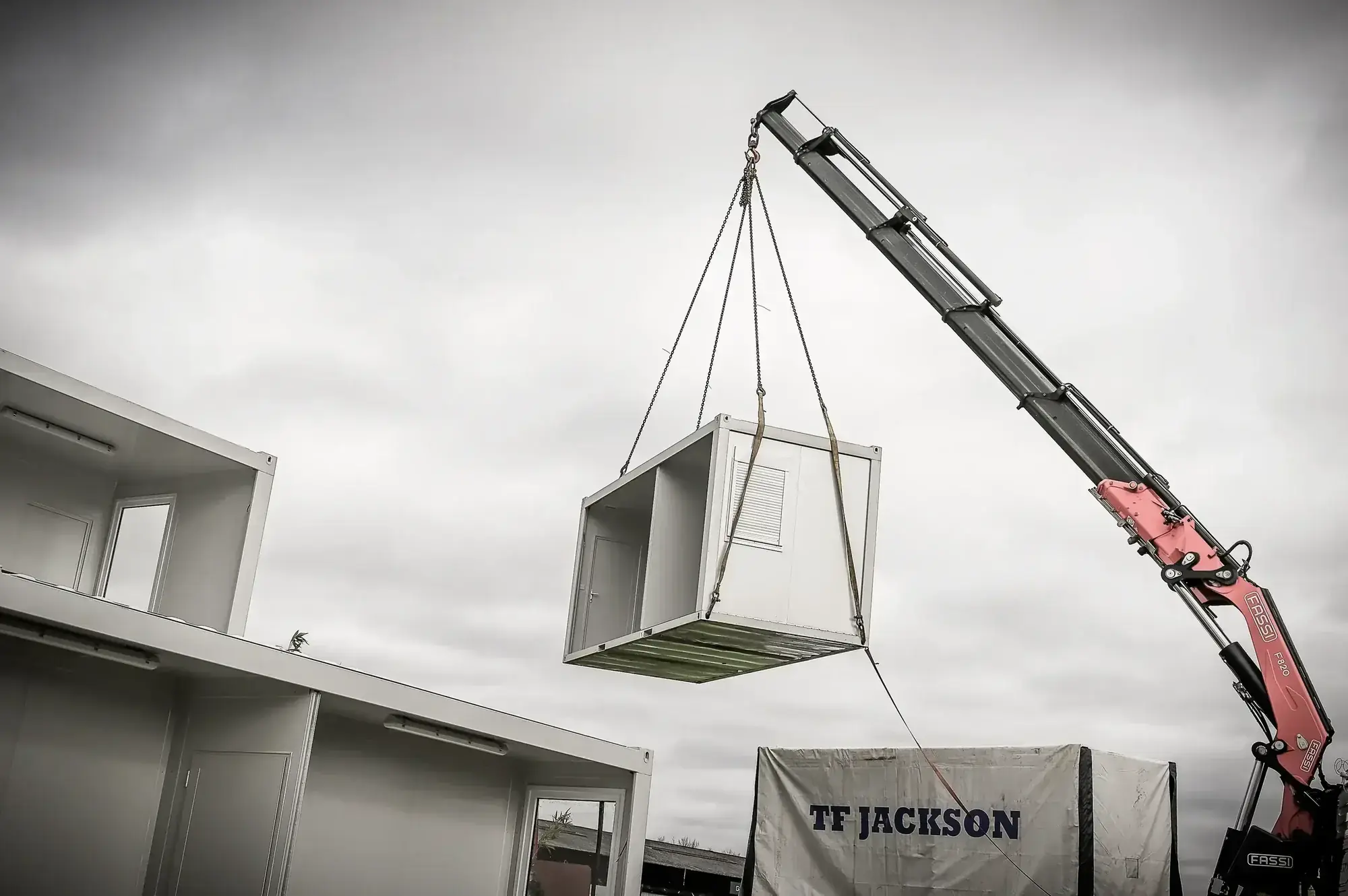
- Install complete units quickly
- Reduce time spent on site preparation
- Begin operations sooner
The result is a more controlled, predictable process with Fewer variables and delays, and less dependency on labour availability.
How TF Jackson Supports Modern Site Requirements
This shift aligns directly with the type of solutions TF Jackson provides.
Across construction and infrastructure projects, there is increasing demand for practical, ready-to-use site facilities that can be deployed without delay.
Key applications include:
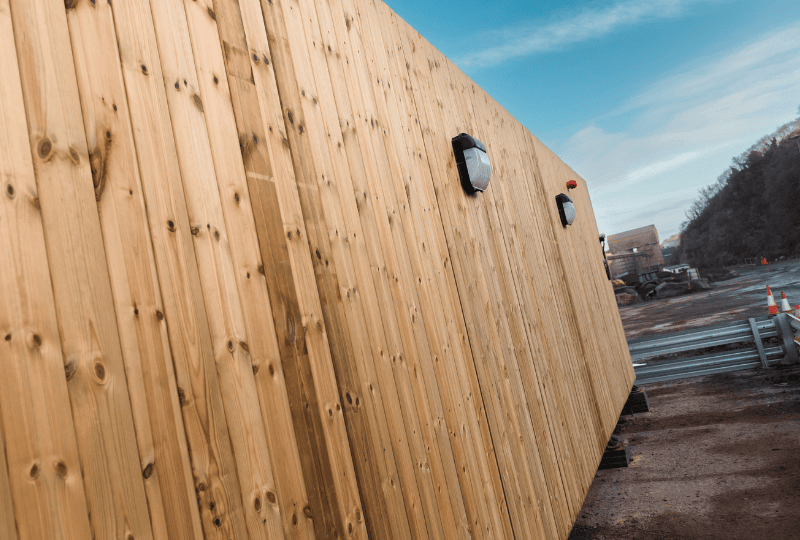
- Anti-vandal units - Providing secure, durable accommodation for site teams, designed to perform in demanding environments.
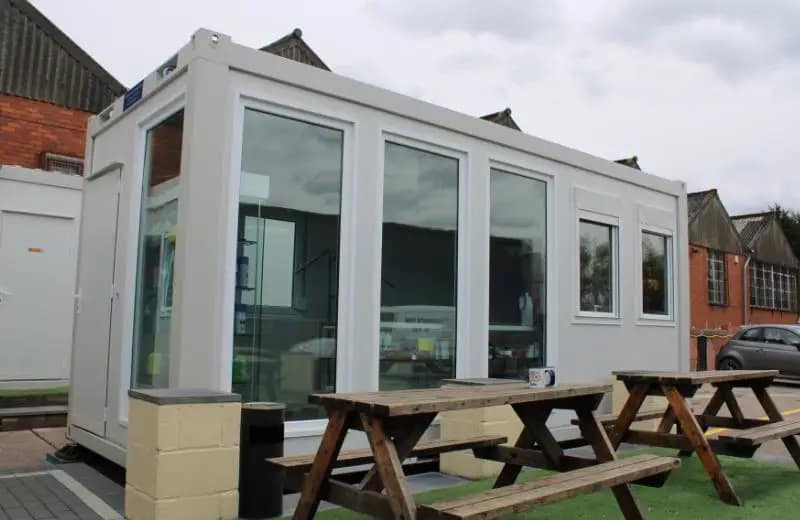
- Modular buildings - Flexible structures that can be configured for offices, welfare, or operational use, delivered ready for installation.
- Welfare facilities - Supporting site teams with essential amenities, helping maintain productivity and meet compliance requirements.
What these solutions offer in a labour-constrained environment:
- Rapid deployment - Units arrive ready to install, reducing reliance on multiple trades
- Reduced on-site complexity - Less coordination required across different contractors
- Consistency across sites - Standardised solutions that perform reliably
- Improved programme certainty - Fewer delays caused by labour shortages or sequencing issues
A Broader Shift in How Projects Are Delivered
This response to labour shortages reflects a wider change in the construction industry, and projects are increasingly being designed around:
- Speed of delivery
- Predictability
- Efficiency
All of this means site infrastructure is no longer treated as a secondary consideration.
It is now a key part of project planning, programme success, and a contributor to overall project risk.
Looking Ahead: What Will Matter Most
As labour constraints continue into the coming years, the projects that succeed will be those that:
- Reduce reliance on on-site build processes
- Simplify site setup
- Use solutions that can be deployed quickly and consistently
In practical terms, that means Planning site infrastructure earlier will become even more essential and choosing solutions that minimise complexity is also front of mind. Especially solutions that can prioritise speed without compromising quality.
Ready To Simplify Your Site Setup?
If you’re planning a project in 2026, the question is how quickly and reliably your site can be made operational.
Managing escalating site costs and labour shortages doesn’t have to mean compromising on quality or control.
TF Jackson provides a smarter approach to site setup through:
- Fully configurable modular buildings and anti-vandal units
- Multi-use facilities that reduce the need for multiple structures
- Complete turnkey delivery, from groundworks and utilities to installation
By handling the entire process, we help:
- Reduce reliance on multiple trades
- Minimise on-site complexity
- Improve programme certainty
- Lower overall project risk
The result is a faster, more controlled route to getting your site up and running, without the delays typically associated with labour shortages.
Looking to reduce delays and simplify your site setup?